The Most Dangerous Places Near Water – and How to Make Them Safer
When we think of water safety, we often imagine beaches, lakes, or swimming pools. But many of the most dangerous water environments are not the obvious ones. Hidden risks, unexpected currents, steep edges, and lack of proper rescue equipment create conditions where accidents happen fast — and often silently.
In this article, we explore the highest-risk locations near water and outline practical steps to make them safer, based on the insights and solutions we work with daily at Shore Safety AB.
1. Harbors and Marinas – High Activity, High Risk
Harbors and marinas may look calm, but they are among the most dangerous water areas. Slippery docks, large height differences, and cold water can turn a simple slip into a critical emergency.
Key risks:
- Narrow walkways and unstable surfaces
- Dark environments at night
- Cold shock due to low water temperature
- Difficulty climbing back up due to high quays or vertical walls
How to improve safety:
- Install clearly visible lifebuoys and throw lines
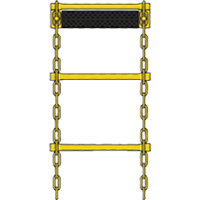
- Add rescue ladders on docks and quay edges
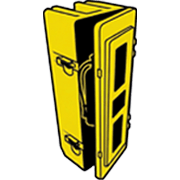
- Use smart rescue stations with alarms for fast response
- Improve lighting along walkways and gangways
2. Bridges and Waterfront Paths
Popular walking spots often become dangerous due to steep edges, slippery conditions, and lack of barriers.
Key risks:
- No railing or low railing height
- Unexpected waves or wind gusts
- People falling due to distraction or crowded paths
How to improve safety:
- Install protective railings or edge markings
- Place lifebuoys at regular intervals
- Use clear signage to indicate risk zones
- Add throw-line stations in high-traffic areas
3. Riverbanks and Streams
Flowing water is unpredictable. Even shallow rivers can have strong currents, sharp drops, and slippery stones that make self-rescue extremely difficult.
Key risks:
- Fast-moving water
- Hidden underwater hazards
- Strong downward currents around bridges and culverts
How to improve safety:
- Install warning signs in high-risk flow areas
- Add rescue equipment stations near popular footpaths
- Maintain vegetation to keep visibility clear for both visitors and rescuers
4. Industrial Waterfronts
Loading zones, cargo terminals, and construction sites near water come with unique risks due to heavy machinery and restricted access.
Key risks:
- Workers operating near edges
- Night shifts with low visibility
- Limited public access for rescue teams
How to improve safety:
- Equip zones with industrial-grade rescue stations
- Provide worker training in water safety procedures
- Use automated alarm systems that trigger when someone falls in
- Mark edges with high-visibility color coding
5. Steep or Unstable Shores
Natural environments like lakesides and cliffs may seem serene but can conceal serious hazards.
Key risks:
- Sudden drop-offs
- Slippery mud or algae
- Unstable rocks
- No easy exit points
How to improve safety:
- Create designated entry and exit points for swimmers
- Install information boards about depth and conditions
- Place lifebuoys in accessible, visible locations
How Shore Safety AB Helps Reduce Water Risks
At Shore Safety AB, we work with municipalities, marinas, industries, and private operators to make water environments safer. Our solutions include:
- Smart lifebuoy and throw-line stations
- Durable buoy systems
- Rescue ladders and safety signage
- Digital monitoring and alarm technologies
- Training and consultation in water safety planning
Our mission is simple: to give people the tools they need to act quickly when every second counts.
Conclusion
The most dangerous places near water are often those that appear harmless — calm harbors, scenic riverbanks, or quiet quays. But with the right knowledge and the right equipment in place, these environments can become significantly safer.
The lesson is clear:
Prevention, visibility, and fast access to rescue tools save lives.
If you want help assessing risk areas or upgrading your safety equipment:
Contact Shore Safety AB for professional advice and tailored solutions.