Safety by the Water Since 1972
For more than five decades, Shore Safety has been dedicated to protecting lives by the water. We have designed, manufactured, and delivered high-quality life-saving equipment made in Sweden. Our mission is simple yet vital: to reduce the risk of drowning accidents by making water rescue equipment accessible to everyone.
Pier
Quay
Shore

Trusted Expertise, Proven Solutions
With over 50 years of experience, Shore Safety delivers equipment and services that meet strict safety demands. Our solutions are used in commercial ports, guest marinas and construction projects, always designed to withstand Nordic conditions and to save lives when every second counts.

Shore safety
More Than Equipment – A Complete Safety Partner
Services and training. We offer inspections, ongoing oversight through Vattensäkrat, and training for harbor staff and event personnel.
Commitment to safety. By working with authorities and rescue organizations, we support facility owners in meeting their responsibilities under Swedish law.
Shore Safety means awareness, responsibility and reliable safety by the water.
References
What our clients had to say about us
Datum
★ ★ ★ ★ ★
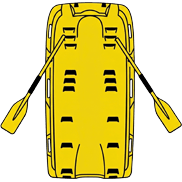
Stylish and professional quality products and the best life raft on the market. An extraordinary service, a company that can be highly recommended, really good.
Johan Mårtensson
Datum
★ ★ ★ ★ ★
Mikael is nice, skilled and responsive. Had many questions when it comes to equipment to reduce the risk of drowning. If you are looking for lifesaving equipment, you should contact Shore Safety.
Fredrik Roslund
Datum
★ ★ ★ ★ ★
Our association purchased equipment from Shore Safety. Good quality and fast delivery. A special thank you to Mikael for the great service!
WHY SHORE SAFETY
SWEDISH HANDCRAFTED QUALITY FOR DECADES
Protecting What Matters
For a safer environment
Reliable solutions for demanding environments
We provide products that protect both people and the surrounding environment in places where safety can never be compromised. From rescue equipment to durable barriers — everything is built to handle tough real-world conditions.
Scandinavian quality — engineered for Nordic weather
Our solutions are designed to perform all year round, even in harsh rain, wind, snow, and saltwater. You get products made for reality, not just for test labs.
Sustainability as a standard, not an option
We select materials and constructions that last longer and reduce environmental impact. This means lower operating costs, less waste, and a more sustainable operation for you.
Easy installation, maximum performance
We know time matters. That’s why our products are designed for quick and effortless installation — whether you’re working with marinas, industry, or public environments.
Trusted safety equipment when every second counts
When an emergency occurs, equipment must work instantly. We offer only proven, dependable products that save lives and create confidence in critical moments.
Expert guidance and support from start to finish
We assist you all the way — from needs analysis to final installation. Our experience ensures you always get the right solution tailored to your environment and your operations.
FAQ
Most commonly asked questions about shore safety
Have questions about shore safety equipment or how to plan your setup? You’re in the right place. We’ve collected answers to the questions we are most often asked, to help you make informed decisions and create a safer waterfront environment.
Have other questions?
What equipment is essential for ensuring safety along shorelines, docks, and marinas?
Essential shore safety equipment typically includes flotation devices, rescue aids, clear instructions, and well-placed access solutions.
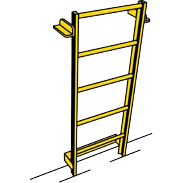
A complete safety setup normally includes lifebuoys, throw lines, rescue ladders, rescue poles, and clearly marked instructions so that anyone can act quickly in an emergency. Rescue stations or cabinets help protect the equipment and keep it organized, while lighting can improve visibility at night or in difficult conditions. What is considered “essential” varies depending on the type of site, how many people visit, the water conditions, and the distance to emergency services. The most important principles are quick access, high visibility, and equipment that is easy to use even by someone with no previous training.
Where should rescue equipment be installed for maximum effectiveness?
Rescue equipment should be installed where it is clearly visible, easy to reach, and positioned close to high-risk areas.
Equipment works best when it can be seen and accessed instantly, without barriers such as locked gates or obstacles. Many sites use spacing of around 50 to 100 meters, depending on the level of risk. Lifebuoys and throw lines should be mounted at a height that most people can reach easily, and rescue ladders must extend both above and below the typical waterline. Placement should focus on areas where accidents are more likely, such as narrow pontoons, busy boarding points, or locations with strong currents. Before installation, it is good practice to carry out a risk assessment and consider any local guidelines from authorities or insurers.
How often should shore safety equipment be inspected?
Most sites benefit from regular visual checks and at least one thorough professional inspection each year.
Frequent visual checks, performed weekly or monthly depending on the environment, help ensure that equipment is present, intact, and accessible. More detailed inspections should be carried out annually, or twice a year in harsher environments with saltwater, ice, or strong sunlight. These inspections look closely at corrosion, wear, UV damage, signage, and functionality. Additional checks are recommended after storms, construction work, or suspected vandalism. The exact interval depends on the site’s climate, visitor traffic, and manufacturer recommendations, but consistent and documented inspections are key to maintaining reliability.
What materials work best in marine environments?
Marine environments require corrosion-resistant metals and UV-stable plastics that can withstand long-term exposure to water, sun, and weather.
Stainless steel in marine grades, hot-dip galvanized steel, and well-designed aluminium are commonly used because they handle corrosion and harsh conditions well. Plastics such as UV-stabilized polyethylene and polypropylene are durable choices for lifebuoys and housings, while fiberglass composites offer high strength in ladders and protective cabinets. Accessories such as fixings and ropes also need to resist corrosion and UV exposure to maintain safety over time. Good design details, such as drainage, rounded edges, and non-slip surfaces, are just as important as the material itself.
What should be included in a complete rescue station?
A complete rescue station should include a flotation device, a retrieval aid, clear instructions, and protection that keeps the equipment ready for immediate use.
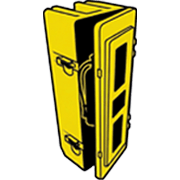
Most rescue stations include a lifebuoy with a throw line as the primary rescue tool, supported by nearby aids such as a rescue ladder or pole. Clear instructions and pictograms are essential so that anyone can use the equipment correctly, even under stress. A protective cabinet or housing helps shield the equipment from weather and vandalism while still allowing quick access in an emergency. Many stations also include location markings, emergency numbers, and optional elements such as lighting or integration with alarm systems. The exact setup depends on the environment, but the goal is always fast, intuitive use.
Who is responsible for maintaining safety equipment in public areas?
Responsibility usually lies with the organization that owns or operates the area, though the exact structure varies between countries and site types.
In most cases, the property owner or operator is responsible for installation, maintenance, and inspections of safety equipment. For public waterfronts, this is often handled by local or regional authorities. In marinas and ports, the harbor or marina operator may have specific duties defined through regulations or operational agreements. In some setups, responsibility is shared through leases or contracts, such as when a municipality owns a quay but a private company operates part of the area. Because rules differ across regions, each site should clearly define responsibilities, follow applicable local safety expectations, and document inspection routines as part of its safety management approach.