Drowning – a Preventable Public Health Crisis
At least 20,000 people lose their lives to drowning every year in the WHO European Region. According to WHO Regional Director Dr Hans Henri P. Kluge, these deaths are entirely preventable. Globally, over 236,000 people die from drowning each year – making it one of the world’s most underestimated public health challenges.
Drowning rarely makes headlines unless a disaster occurs, such as the tragic capsizing of the Adriana in 2023 between Greece and Italy, where more than 600 migrants drowned together. Yet most drowning deaths are silent, isolated incidents: a child falling into an unfenced pool, an adult caught in a rip current, or a boater without a life jacket. These everyday tragedies highlight why prevention must be a top priority.
A Leading Cause of Death in Children and Adults
In the European Region, drowning is the second leading cause of death for children aged 5–14. Men aged 30–49 are also at highest risk, often linked to recreational activities such as boating, fishing, or swimming. Alcohol is a major factor, causally associated with up to 26% of drowning deaths across Europe. Migration has also become tragically tied to drowning: since 2014, more than 34,000 migrants have drowned, most in the Mediterranean and the English Channel.
Beyond fatalities, thousands more suffer long-term health consequences such as respiratory damage and hypoxic brain injuries. These hidden costs rarely appear in official reports but place a heavy burden on families, healthcare systems, and society at large.
WHO and the Call for Action
In 2021 the United Nations General Assembly adopted a resolution on drowning prevention, echoed by the World Health Assembly in 2023. WHO continues to call for coordinated action, accurate data collection, and stronger public health interventions. The upcoming Global Status Report on Drowning Prevention will for the first time document the burden and prevention efforts in all Member States.
Shore Safety – A Partner in Prevention
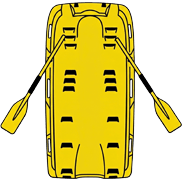
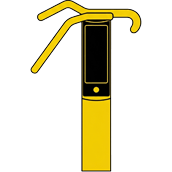
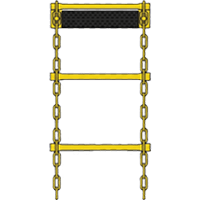
Preventing drowning requires not just policy, but practical solutions. This is where Shore Safety becomes an essential partner. By providing self-instructing rescue platforms and equipment approved by Sweden’s Civil Contingencies Agency (MSB), Shore Safety enables rapid, life-saving action where minutes matter most.
- Immediate rescue and CPR on site – dramatically improving survival chances.
- Easy-to-use, robust design – ensuring even untrained bystanders can act effectively.
- Integration with public infrastructure – for beaches, harbors, marinas, and municipalities.
As WHO stresses, drowning deaths are preventable. Shore Safety provides the tools to make this vision a reality – transforming statistics into lives saved and moving society closer to a zero-drowning future.