
The Most Dangerous Places Near Water – and How to Make Them Safer When we...


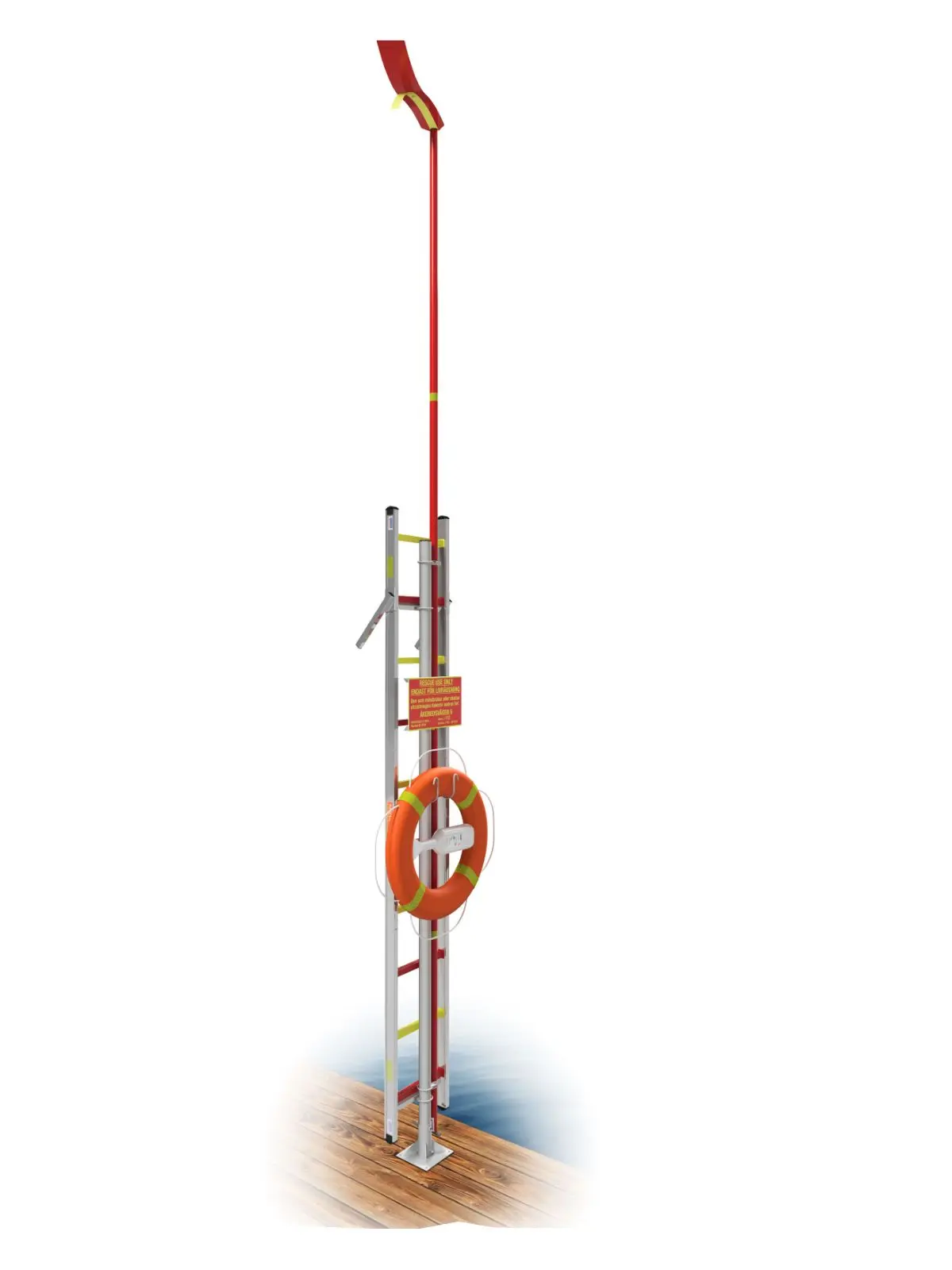
The Lifesaving Raft Station is a complete rescue station designed for shore, beach and waterfront environments where fast access to coordinated lifesaving equipment is essential.
Built for long-term use in exposed environments, the station helps improve rescue readiness, visibility and structured emergency response near the water.
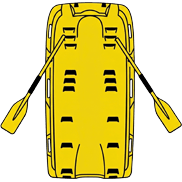
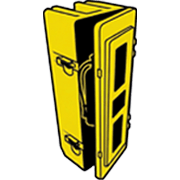
The Lifesaving Raft Station is a complete shore-based rescue installation that brings several essential lifesaving tools together in one clearly defined location. It is developed for beaches, bathing areas, shorelines and other waterfront environments where a fast and coordinated response is needed. The system is designed to improve preparedness by combining flotation, reach, access and on-water support within one station. The rescue raft provides a stable platform for retrieval and first response, while the ladder, hook and lifebuoy support different rescue scenarios depending on the incident and site conditions. Compared with separate products placed in different locations, a complete station improves visibility, reduces search time and creates a more organised rescue point. This supports practical safety planning in public waterfront environments where equipment must be easy to identify and use under pressure.
| Number of included products | 5 main rescue components plus support structure |
|---|---|
| Support structure | Two-leg freestanding shore frame |
| Environment | Shore, beach, bathing area, marina and waterfront |
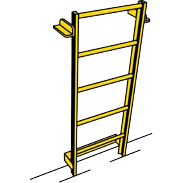
| Rescue ladder length | 3 m |
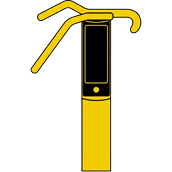
| Rescue hook length | 5 m |
| Raft material | Polyethylene |
| Rescue ladder materials | Marine-grade aluminium, galvanized steel and stainless-steel fittings |
| Visibility features | Reflective location sign and high-visibility rescue marking |
| Corrosion resistance | Designed for long-term outdoor use in coastal and marine conditions |
| Compliance note | Type-approved ladder, SP/RISE certified in accordance with AFS 2004:3 and EN 131 |
| Optional additions | Lockable raft brackets, additional signage and LED visibility light |
The Lifesaving Raft Station should be placed where it remains clearly visible from both the shore and the water, preferably in an open and slightly elevated position. It is especially suitable for beaches, bathing zones, marinas and shoreline paths where rescue equipment must be easy to locate without delay.
The two-leg frame is installed by anchoring or setting the legs into the ground or into prepared concrete foundations depending on site conditions. The raft is mounted on dedicated brackets and secured in place, while the remaining rescue equipment should be arranged for intuitive access, clear visibility and unobstructed use. Placement should always support fast recognition, practical reach and safe rescue handling.

The two-leg support frame is developed for shore environments where ground conditions may be softer, uneven or more exposed than on a quay or fixed wall installation.

The station combines rescue raft, ladder, hook and lifebuoy in one coordinated installation, supporting several rescue methods from the same safety point.

A reflective location sign and clearly marked rescue equipment make the station easier to identify quickly from both land and water, including in low-light situations.

Corrosion-resistant metals, durable plastics and marine-suitable components are selected to withstand salt, wind, UV exposure and frequent outdoor use.
This station includes essential rescue equipment selected for shore, beach and waterfront environments where visibility, fast access and coordinated lifesaving response are critical. The combination supports flotation, retrieval, water exit and emergency positioning from one integrated rescue point.
All included components are chosen to work together as a complete rescue system for shoreline installations where several types of rescue action may be required.
Component | Function | Typical placement |
Rescue raft | Retrieval platform and first-response support | Central mounted position |
Rescue ladder | Water exit and stretcher function | Mounted on station frame |
Lifebuoy | Immediate flotation support | Easily accessible front position |
Rescue hook | Reach and retrieval from shore | Side mounted for quick access |
Location sign | Identification and wayfinding | Top visible position |
The station can be configured to match different site conditions, visibility needs and operational requirements.

Built for real conditions, not just specifications.
With decades of experience in waterside safety, our equipment is designed, tested, and manufactured in Sweden to perform where it matters most. Every product meets strict MSB requirements and is made to deliver reliable, long-term safety in demanding environments.
Designed to last — and backed accordingly.
Our lifesaving equipment is engineered for durability, dependable performance, and minimal maintenance throughout its lifecycle. Tested under Nordic conditions, each product is built for long service life and consistent function, so you can trust it to be ready when needed.
From our facility to yours — safely and efficiently.
All equipment is shipped directly from Sweden through trusted logistics partners. This ensures reliable delivery, consistent quality control, and predictable lead times, so products arrive secure, on time, and ready for installation.
Find answers to common questions regarding configuration, installation, use and maintenance of the Lifesaving Raft Station for shore environments.
It is designed for shorelines, beaches, bathing areas, marinas and similar waterfront environments. It is especially useful where equipment must be highly visible and quickly accessible in open public areas.
The station is built around a two-leg support frame and typically includes a rescue raft, a 3 m rescue ladder, a lifebuoy, a 5 m rescue hook and a reflective location sign.
A rescue raft adds a more stable rescue platform. It supports retrieval from the water and allows first response measures, including onboard care, in situations where flotation alone may not be enough.
Yes. The included ladder is described as type-approved and SP/RISE certified according to AFS 2004:3 and EN 131. This strengthens suitability for structured safety installations.
Yes. The station can be configured with optional brackets, additional signage, LED visibility lighting and site-adapted mounting depending on project needs and local conditions.
It should be placed in a clearly visible location with unobstructed access from the surrounding area. Open shoreline positions with good recognition from both land and water are preferred.
Yes. The materials are selected for long-term outdoor use in exposed shore and marine environments, with emphasis on corrosion resistance, weather durability and low maintenance.
Yes. The station is aligned with structured waterfront safety planning and includes equipment described as meeting MSB-related requirements and recognised rescue equipment guidance.