
The Most Dangerous Places Near Water – and How to Make Them Safer When we...


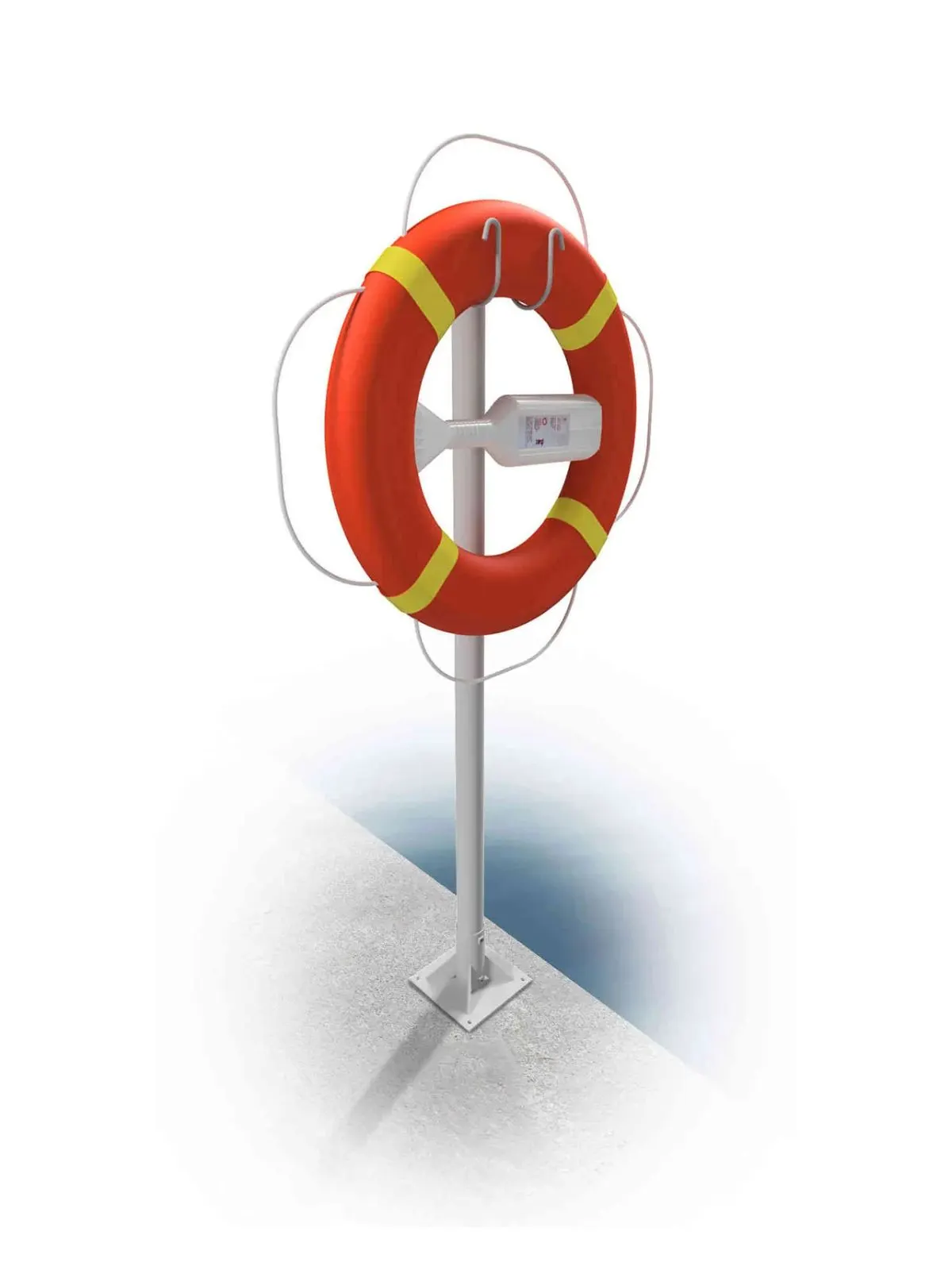
The Lifebuoy Station is a complete rescue system designed for piers, marinas and waterfront environments where immediate access to lifesaving equipment is critical.
Built for long-term outdoor use, the station ensures reliable performance and clear access to rescue equipment in demanding coastal conditions.
The Lifebuoy Station is a structured safety system that brings together essential lifesaving equipment in one clearly defined and accessible location along piers and waterfronts.
The system organises lifebuoy, line and mounting components to ensure fast identification and efficient use during emergency situations, reducing response time in critical incidents.
Compared to scattered or unmarked equipment, a dedicated station improves visibility, accessibility and overall safety management in public and commercial marine environments.
| Number of included components | 2–4 items depending on configuration |
|---|---|
| Height | Approx. 1.5–1.7 m |
| Mounting type | Surface mounted or embedded post |
| Post material | Hot-dip galvanized steel or stainless steel |
| Color | Yellow (custom available) |
| Visibility | Reflective markings or signal flag optional |
| Compatible lifebuoy size | 600–750 mm |
| Environment | Marine, coastal, quay and marina use |
The Lifebuoy Station should be installed in clearly visible and easily accessible locations along piers, marinas and waterfront structures. It is typically placed at regular intervals to ensure coverage across the entire area.
Positioning should allow unobstructed access, with sufficient clearance around the station to enable quick retrieval of the lifebuoy. Height and placement should follow local safety guidelines, and visibility can be enhanced with signage or flags.

Designed with strong color contrast and optional reflectors or flag, ensuring the station is easy to locate quickly in both daylight and low visibility conditions.

All components are positioned for intuitive use, allowing users to quickly identify and deploy lifesaving equipment without confusion.

Manufactured from corrosion-resistant materials to withstand saltwater exposure, wind and long-term outdoor use.

The station can be adapted with different components and layouts depending on site requirements and safety planning.
The station can be configured to match different environments and safety requirements.
All components are designed to function as an integrated safety system, ensuring that equipment is always accessible, clearly positioned and ready for immediate use.
Component | Function | Typical placement |
Lifebuoy | Rescue flotation device | Central |
Throw line | Assisted rescue reach | Attached to lifebuoy |
Post | Mounting and visibility structure | Fixed installation |
Optional signage | Instruction and visibility | Top section |
The station can be configured to match different environments and safety requirements.

Built for real conditions, not just specifications.
With decades of experience in waterside safety, our equipment is designed, tested, and manufactured in Sweden to perform where it matters most. Every product meets strict MSB requirements and is made to deliver reliable, long-term safety in demanding environments.
Designed to last — and backed accordingly.
Our lifesaving equipment is engineered for durability, dependable performance, and minimal maintenance throughout its lifecycle. Tested under Nordic conditions, each product is built for long service life and consistent function, so you can trust it to be ready when needed.
From our facility to yours — safely and efficiently.
All equipment is shipped directly from Sweden through trusted logistics partners. This ensures reliable delivery, consistent quality control, and predictable lead times, so products arrive secure, on time, and ready for installation.
Find answers to common questions regarding configuration and installation.
A standard station includes a lifebuoy, mounting post and often a throw line. Additional components can be added depending on project requirements.
Yes, the station can be adapted with different materials, colors and additional safety equipment to match specific environments and branding.
Yes, it is designed for coastal and marine use with corrosion-resistant materials such as galvanized or stainless steel.
Spacing depends on local regulations and site conditions, but stations are typically placed at regular intervals to ensure quick access along the entire waterfront.
The station is designed to support common safety guidelines and can be configured to meet local regulatory requirements.
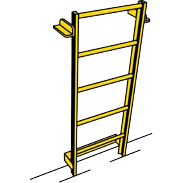
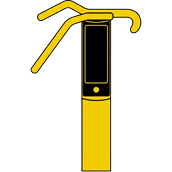
Yes, components such as rescue hooks, ladders or signage can be integrated into the station setup.